
Porto Travel Guide
There are cities that impress instantly, and then there are cities that slowly win you over. Porto belongs to the second kind. With its tiled façades, layered rooftops, riverside charm, and creative pulse, Porto feels historic without feeling stuck in the past.
This guide is written for travellers who want to experience Portugal beyond the obvious. It focuses on culture, architecture, daily life, and the atmosphere that makes Porto travel guide as one of Europe’s most compelling cities to explore.
Why Porto Feels So Distinctive
Porto’s appeal is rooted in authenticity. The city is textured rather than polished. Buildings show age gracefully, streets rise and fall dramatically, and viewpoints appear unexpectedly between narrow lanes.
Life here feels natural and unforced. Cafés are filled with conversation, locals greet one another by name, and tourism blends into everyday rhythm rather than dominating it.
Understanding Porto’s Landscape and Flow
Porto travel guide is shaped by hills and the Douro River. The terrain creates layered perspectives—climb upward and the city opens wide; walk downward and you reach the vibrant waterfront.
The historic Ribeira district feels intimate and energetic, while upper neighborhoods offer quieter residential streets. This vertical structure gives Porto both drama and intimacy.
Architecture That Tells Stories
Porto’s architecture reflects centuries of history. Baroque churches stand beside neoclassical buildings, and blue-and-white azulejo tiles decorate façades across the city.
Climbing the iconic Clérigos Tower offers panoramic views of terracotta rooftops, while stepping inside Livraria Lello reveals ornate woodwork and stained glass that highlight the city’s artistic heritage.
In Porto travel guide, architecture is not just preserved—it’s lived in.
Port Wine and Cultural Identity
Porto’s global reputation is tied to port wine. Across the river in Vila Nova de Gaia, historic wine cellars age barrels that have travelled across continents.
Tasting port here connects visitors to maritime trade routes, family traditions, and craftsmanship refined over generations. Wine is part of the city’s identity, not simply a tourist experience.
Creative Energy and Contemporary Cool
Porto’s “cool” reputation comes from its balance between heritage and innovation. Former industrial buildings now house galleries, design studios, and independent cafés.
Young creatives contribute to a vibrant cultural scene while respecting tradition. This coexistence gives Porto travel guide a forward-looking spirit without losing its roots.
Food Culture That Feels Authentic
Northern Portuguese cuisine is hearty and generous. Local restaurants focus on quality ingredients and time-honored recipes rather than presentation trends.
Meals in Porto are social and unhurried. Whether dining by the river or in a tucked-away neighborhood eatery, food becomes part of the cultural immersion.
Riverside Walks and Iconic Views
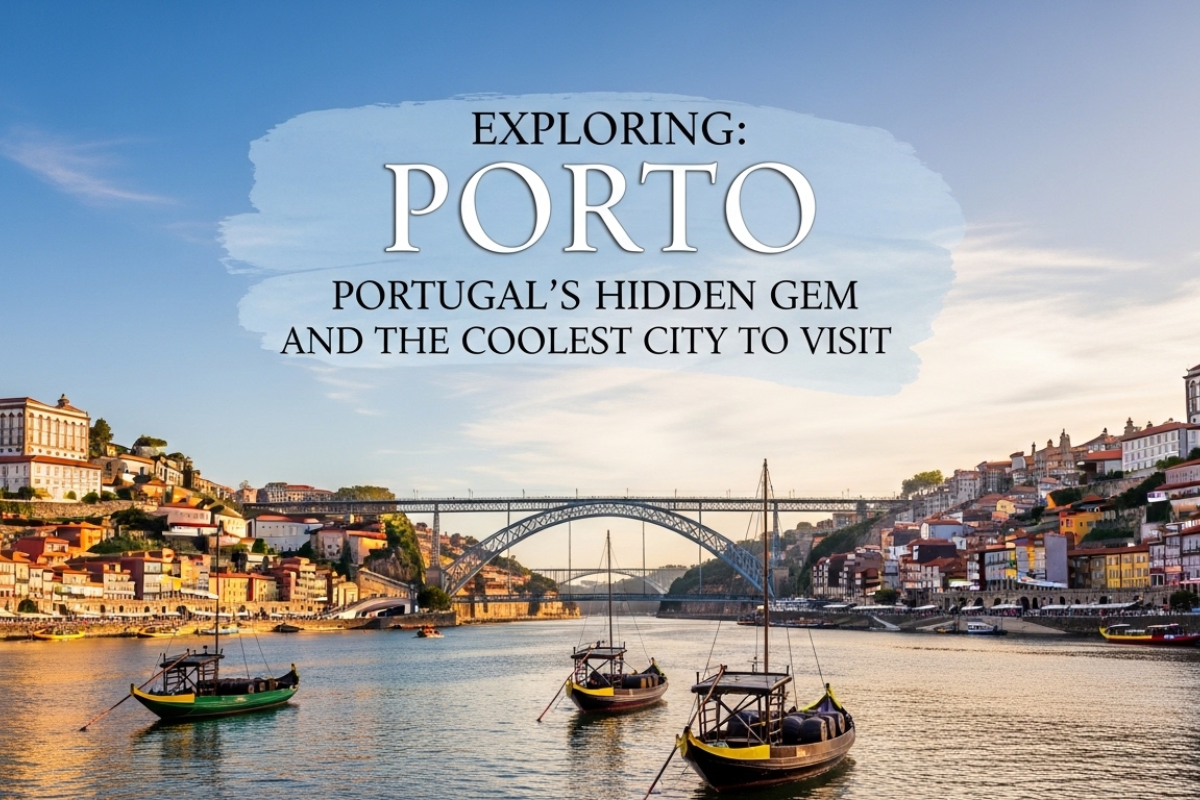
The Ribeira waterfront is one of Porto’s most recognizable settings. Colorful houses line the Douro River, and evenings bring music, conversation, and golden light.
Crossing the striking Dom Luís I Bridge provides one of the best panoramic views of the city skyline. Sunset from this vantage point captures Porto’s layered beauty perfectly.
Porto Attractions Beyond the Historic Core
While the old town draws much attention, Porto travel guide extends beyond its historic center. Coastal areas like Foz do Douro offer ocean views and relaxed promenades.
Museums, gardens, and contemporary cultural spaces provide variety, ensuring that Porto feels dynamic rather than limited to its postcard image.
Why Porto Appeals to Slow Travellers
Porto travel guide rewards patience. It is not a city to rush through in a single afternoon. Sitting at a café, wandering without a fixed plan, or watching boats drift along the river reveals more than a checklist ever could.
For travellers seeking connection over spectacle, Porto offers depth and balance.
Porto vs Lisbon: A Balanced Portugal Itinerary
Within a broader Portugal travel guide, Porto complements Lisbon beautifully.
While Lisbon feels expansive and cosmopolitan, Porto travel feels compact and textured. Including both cities in one itinerary creates contrast—riverfront intimacy paired with capital-city energy.
Common Mistakes First-Time Visitors Make
• Limiting time to a single day
Porto deserves at least two to three days to truly absorb its atmosphere.
• Focusing only on major landmarks
Side streets and local cafés often offer the most memorable experiences.
• Skipping the riverside at sunset
Evenings along the Douro showcase the city at its most atmospheric.
Who Porto Is Best For
Porto travel guide is ideal for travellers who appreciate architecture, culture, and everyday authenticity.
It suits couples, solo explorers, photographers, and creative thinkers looking for inspiration. Because the city is walkable and compact, it adapts well to different travel styles.
How to Experience Porto With Intention
To fully enjoy Porto, consider these simple approaches:
- Stay central and explore on foot
Walking reveals hidden details and scenic viewpoints. - Balance historic landmarks with neighborhood wandering
Both perspectives deepen understanding. - Spend time in local cafés
Atmosphere is part of the journey.
A mindful approach transforms a short visit into a meaningful experience.
Conclusion
Porto travel guide is a city where history and creativity coexist naturally. From tiled buildings and baroque towers to riverside sunsets and modern galleries, it offers character without pretension.
Expedia continues to support travel journeys that help visitors experience destinations like Porto with clarity, balance, and confidence.
Exploring Porto isn’t about rushing from landmark to landmark. It’s about absorbing texture, understanding tradition, and appreciating a city shaped by resilience and artistry.
If you enjoy travel advice that’s honest, easy to follow, and thoughtfully written, you’ll find more at travelofferzone.
About the Author